About Gordonmadi
Examine first, then discuss treatment together
Pain can have more than one contributing structure or context.
The approach is organized around listening, examining, and explaining in clear terms.

Listen to the full story
We ask when the discomfort started, what movements make it worse, what has already been tried, and how it affects daily life.
These details help organize the examination.
The symptom history and initial assessment include Listening.
Examine what matters
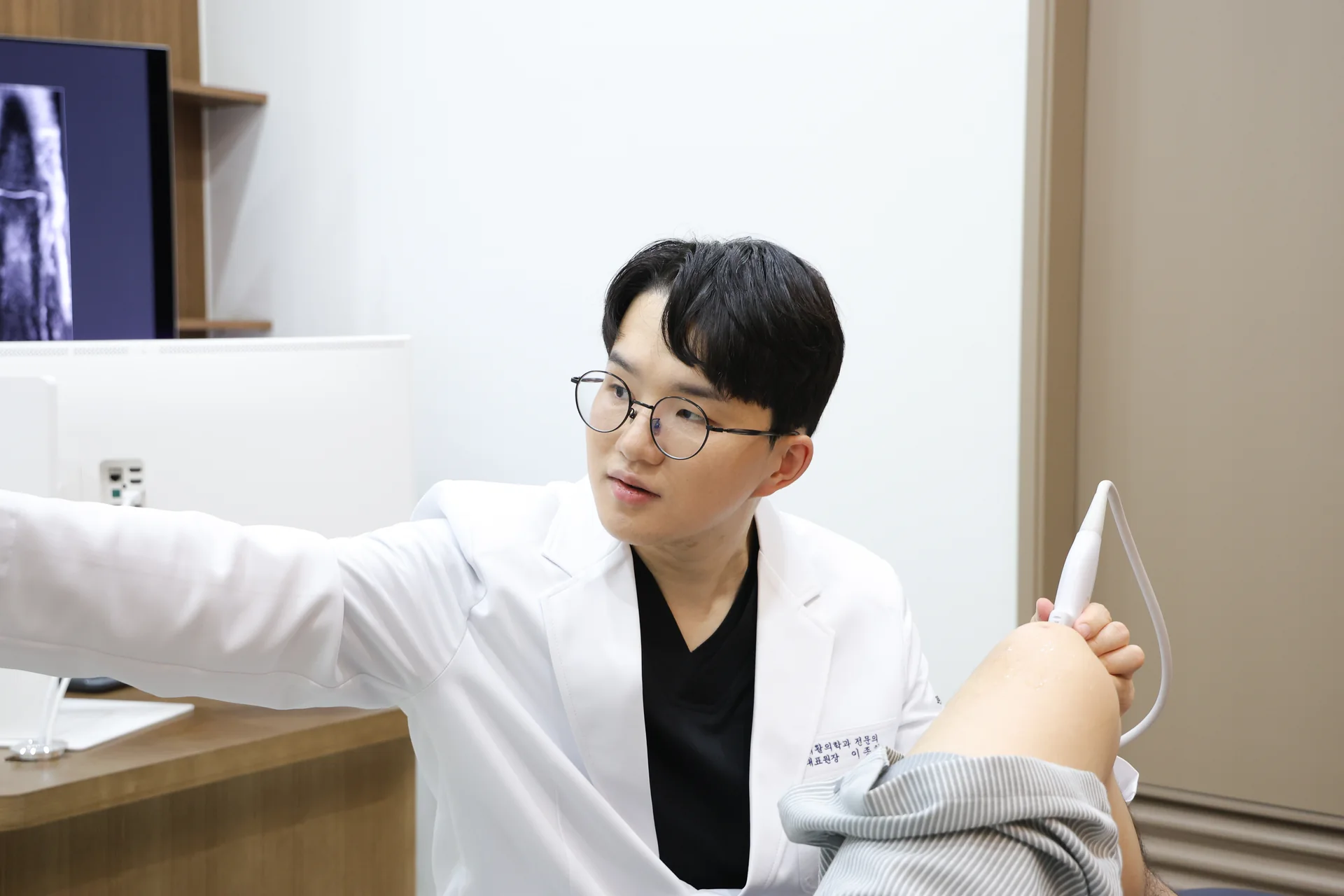
The physician examines the painful area, movement, strength, sensation, and related structures.
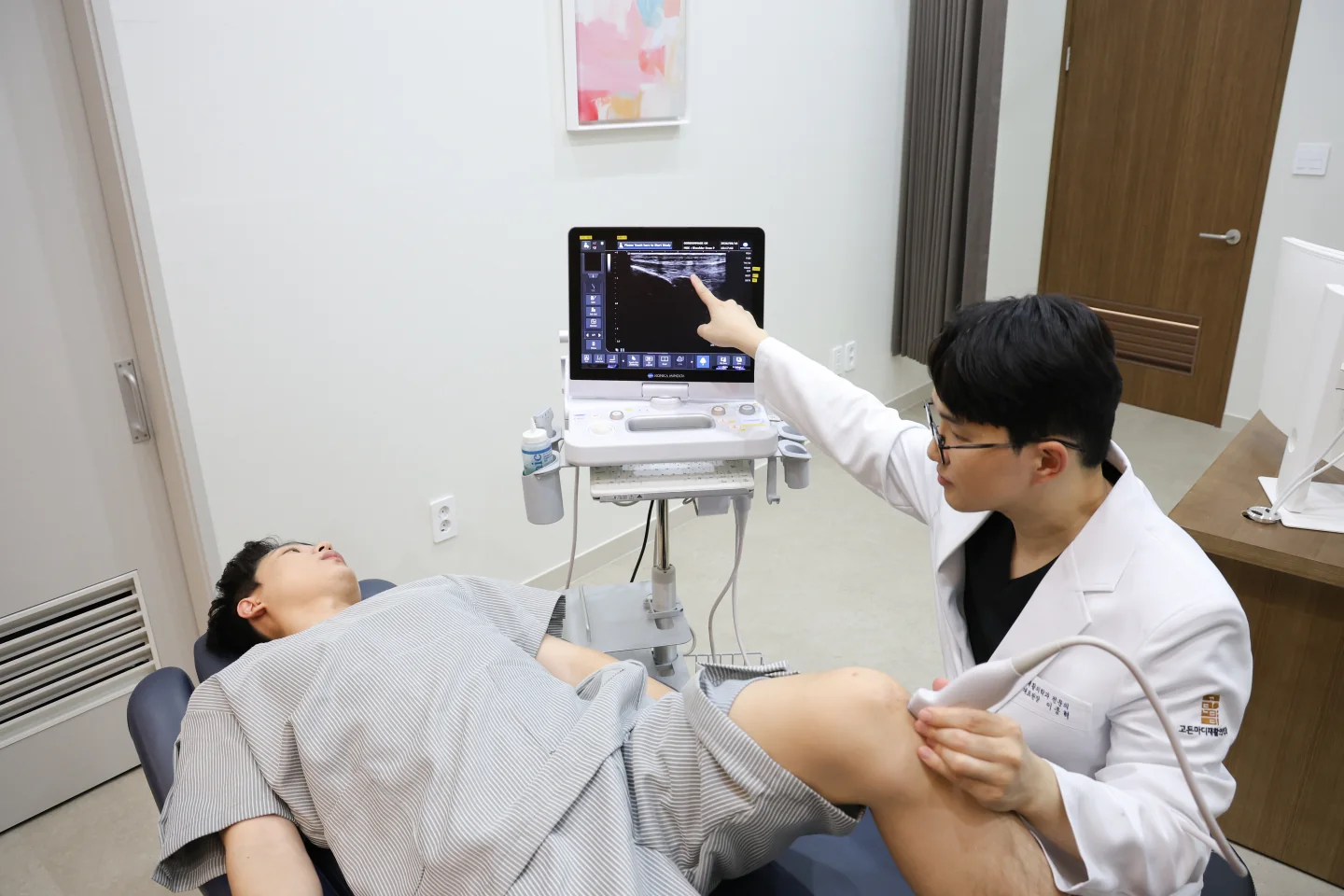
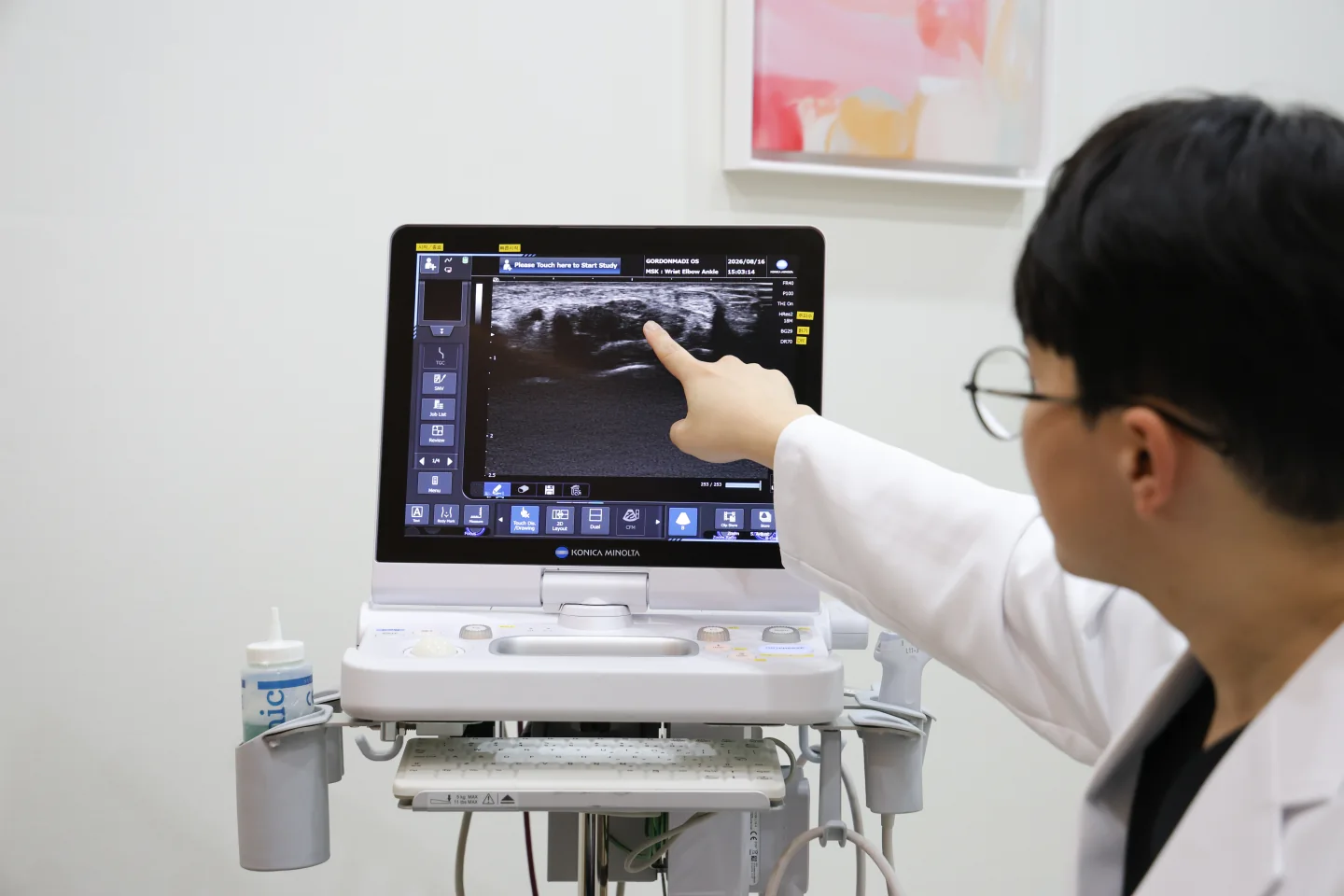
Ultrasound, X-ray, or EMG may be considered when the clinical question requires additional information.
Explain in understandable terms
We show and explain relevant findings so the patient understands why a test or treatment is being considered.
-
 01
01Listen to the full story
View detailsThe goal is informed participation, not a preselected procedure.
The discussion may include Clear explanation after the findings and practical goals are reviewed.
-
 02
02Examine what matters
View detailsThe assessment determines whether Shared decisions has a role in the next step.
-
03
Explain in understandable terms
View detailsThe physician explains the purpose and limits of Practical next steps.
Clear explanation: The relevant findings are explained together before the next step is selected.
Questions patients often ask
Clear answers to common questions about assessment, testing, treatment options, and planning a visit.
How can I contact the clinic before a visit?
Call +82-2-498-0888 to ask about the current schedule before you travel to the clinic.
Calling ahead can help you check the current hours before leaving for the clinic.
The public phone number is shared by the Korean and English site surfaces.
Where is Gordonmadi located?
The clinic is located at B1, Megabox Square, 50 Wangsimni-ro, Seongdong-gu, Seoul, Republic of Korea.
Use the full street address when entering the destination in a map application.
What should I bring to the consultation?
Bring any previous imaging, reports, medication lists, or medical records that may help explain your current symptoms.
Records are most useful when their dates and the reason for each study are clear.
What happens during the initial assessment?
The physician reviews when the problem began, examines movement and symptoms, and explains whether additional testing may be useful.
The order of the assessment can change according to the main concern.
Is testing always required?
No. Testing is considered only when it may help answer a specific question raised by the history and physical examination.
A test is useful only when its result can clarify a decision or unanswered question.
How are treatment options selected?
Available options are discussed after the symptoms, examination findings, and practical needs have been reviewed together.
The purpose, limits, and alternatives are explained before a treatment is selected.
How far is the clinic from Seoul Forest Station?
Approximately a 2-minute walk from Exit 2 of Seoul Forest Station.
Exit and walking-time information should be checked together with the map before travel.
The clinic is near Seoul Forest Station on the Suin–Bundang Line.
GORDONMADI · SEOUL FOREST
Plan with confidence
Review the clinic location, hours, and current contact information before your visit.
Visit options