
Shoulder
The need for a procedure is decided separately from the imaging examination.
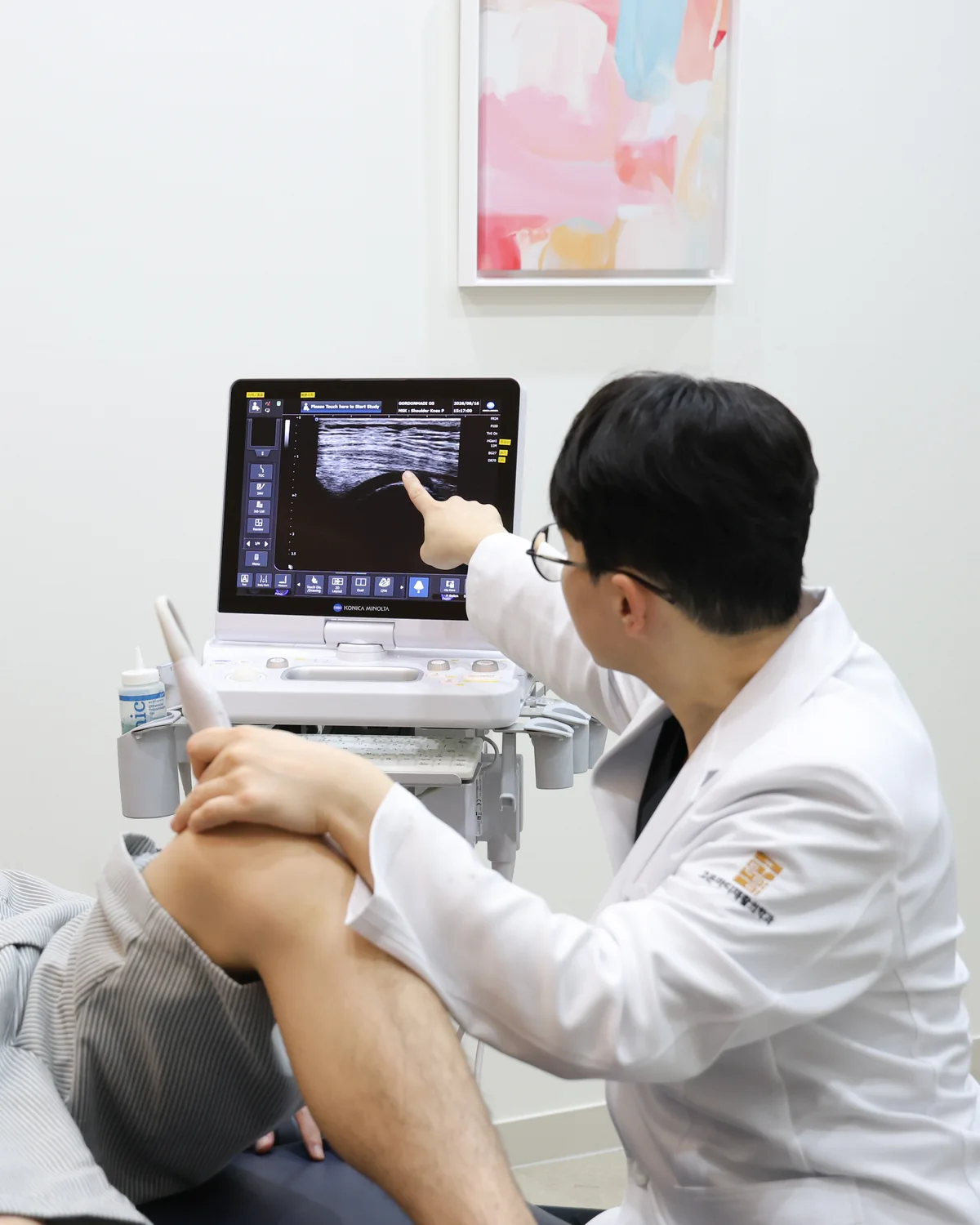
Musculoskeletal Ultrasound
ASSESSMENT · IMAGING · EXPLANATION
High-resolution musculoskeletal ultrasound can visualize many superficial muscles, tendons, ligaments, joints, bursae, and peripheral nerves while the body moves.
Chapter 01
Common areas include the shoulder, elbow, wrist and hand, knee, ankle and foot, selected peripheral nerves, sports injuries, and selected pediatric hip concerns.
Chapter 02
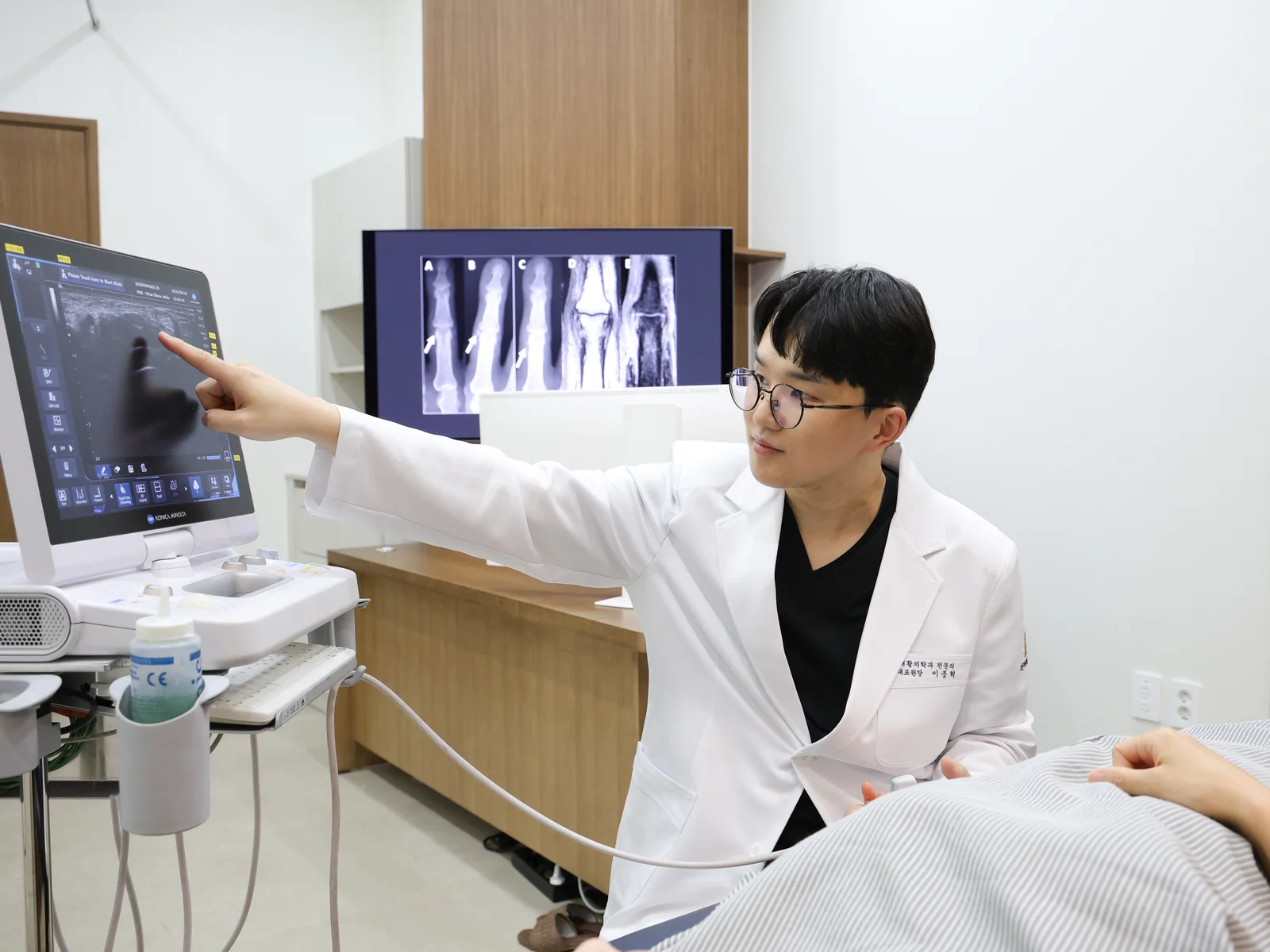
Ultrasound can be used while pressing on a painful area or moving a joint.
Chapter 03
When a procedure is appropriate, ultrasound can help identify the target and nearby structures.
The need for a procedure is decided separately from the imaging examination.
The discussion may include Target identification after the findings and practical goals are reviewed.
The assessment determines whether Nearby structures has a role in the next step.
The physician explains the purpose and limits of Procedure guidance.
Chapter 04
The physician explains Elbow and wrist with the clinical question it is meant to address.
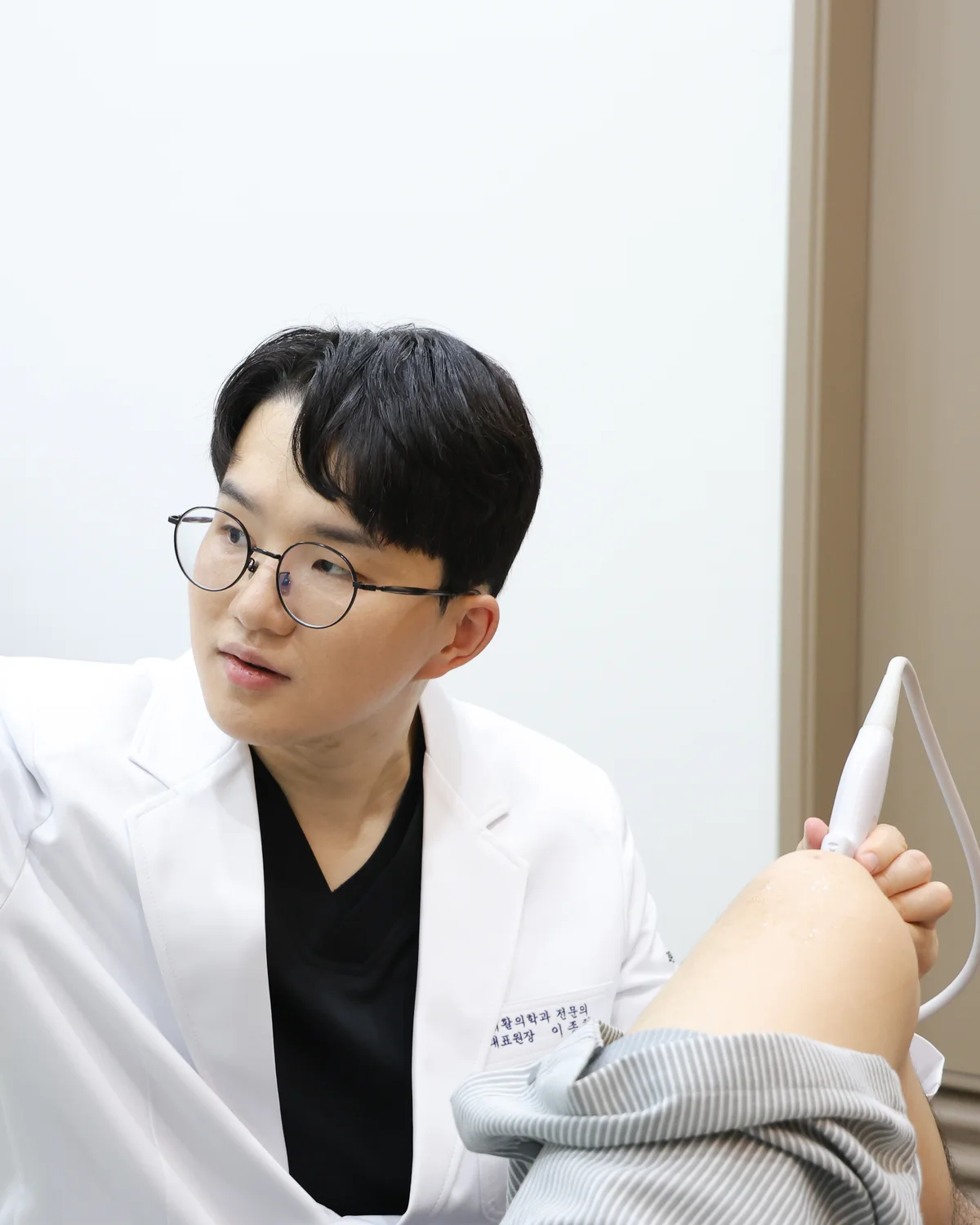
Clear answers to common questions about assessment, testing, treatment options, and planning a visit.
Call +82-2-498-0888 to ask about the current schedule before you travel to the clinic.
The clinic is located at B1, Megabox Square, 50 Wangsimni-ro, Seongdong-gu, Seoul, Republic of Korea.
Bring any previous imaging, reports, medication lists, or medical records that may help explain your current symptoms.
The physician reviews when the problem began, examines movement and symptoms, and explains whether additional testing may be useful.
GORDONMADI · SEOUL FOREST
Review the clinic location, hours, and current contact information before your visit.
Visit options