
Mobility
The team interprets Joint mobilization according to the purpose of the test or treatment.
The physician explains Manual correction with the clinical question it is meant to address.
Manual & Exercise Rehabilitation
Rehabilitation is planned around the medical assessment, current function, and meaningful activities.
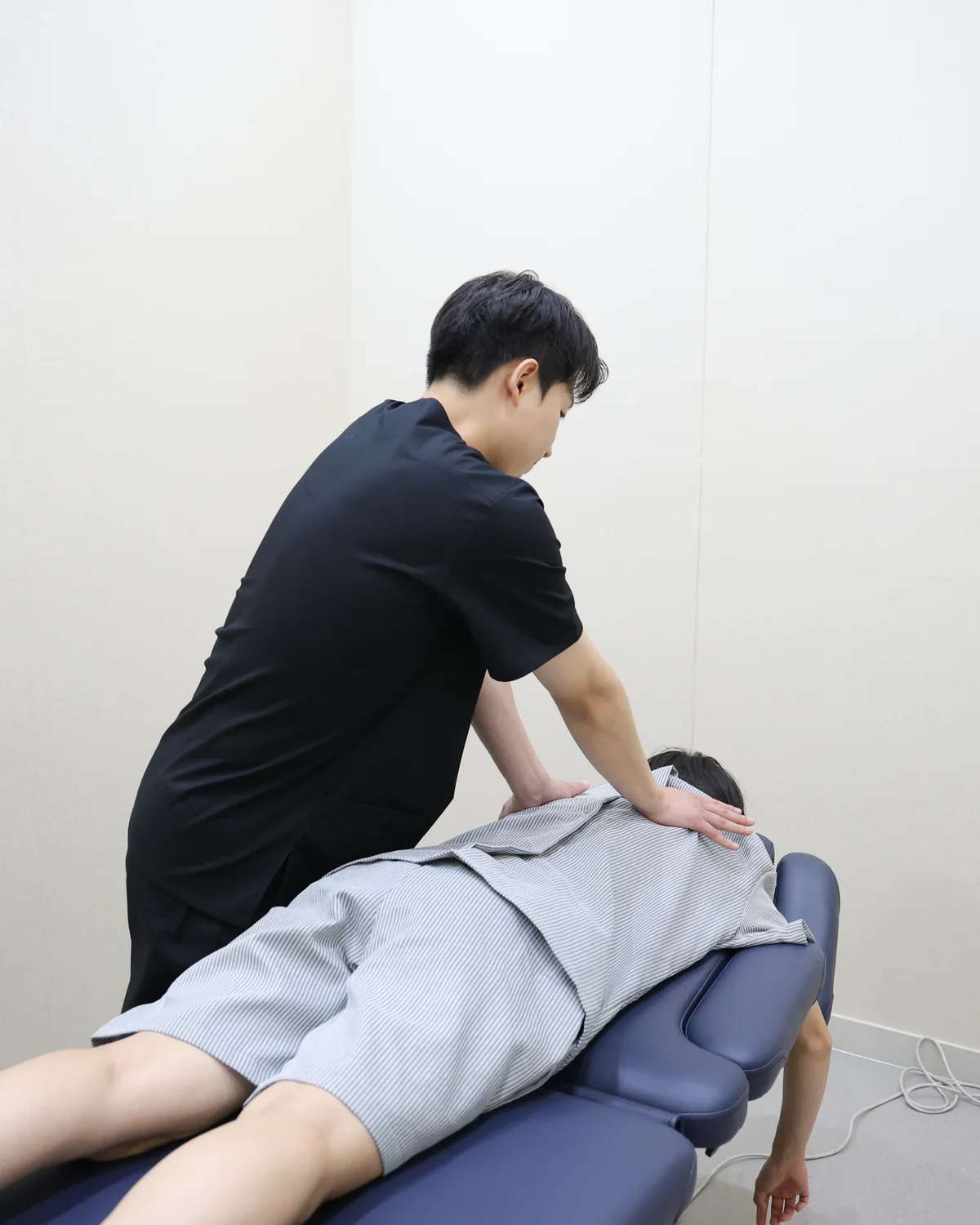
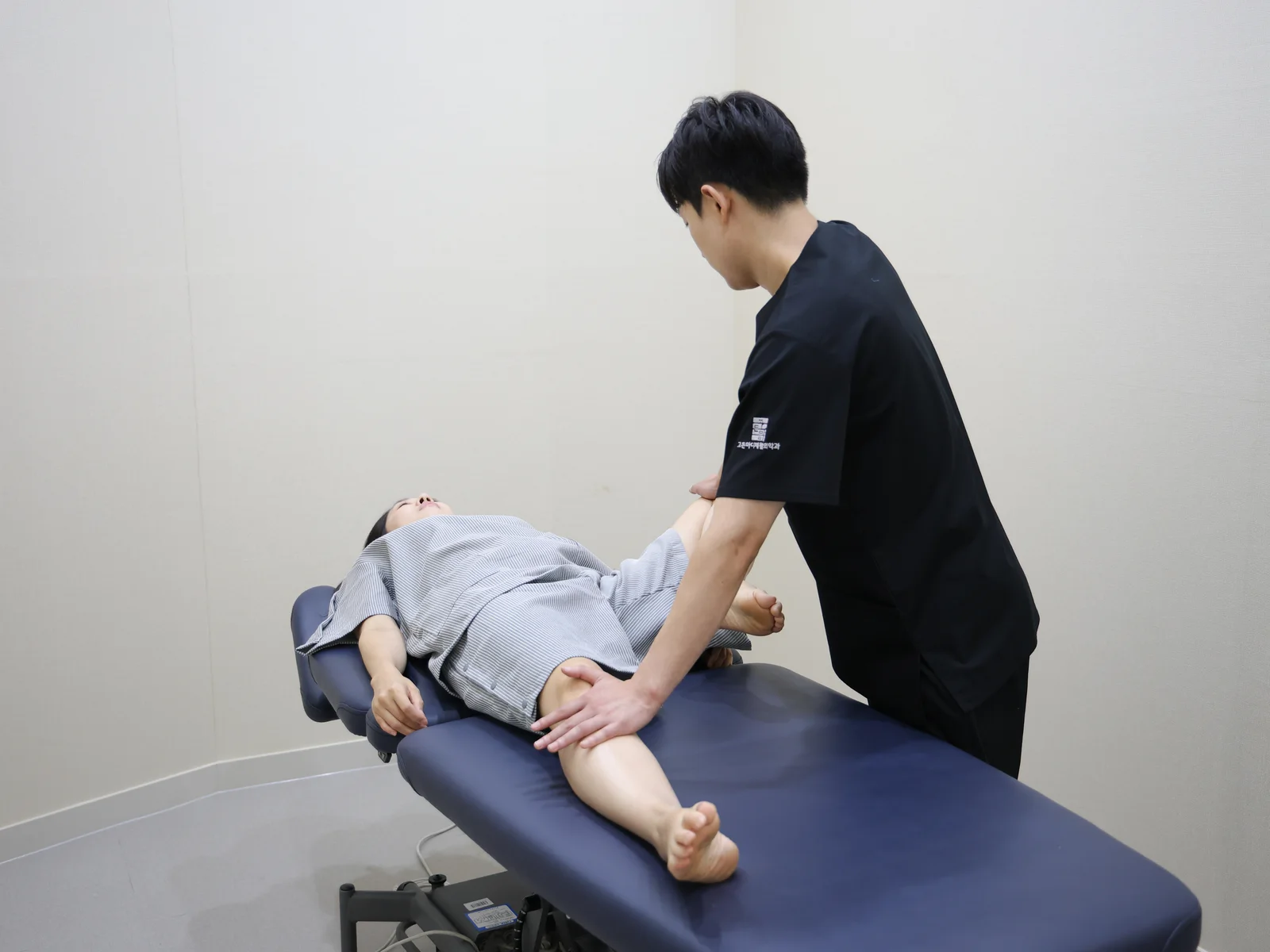
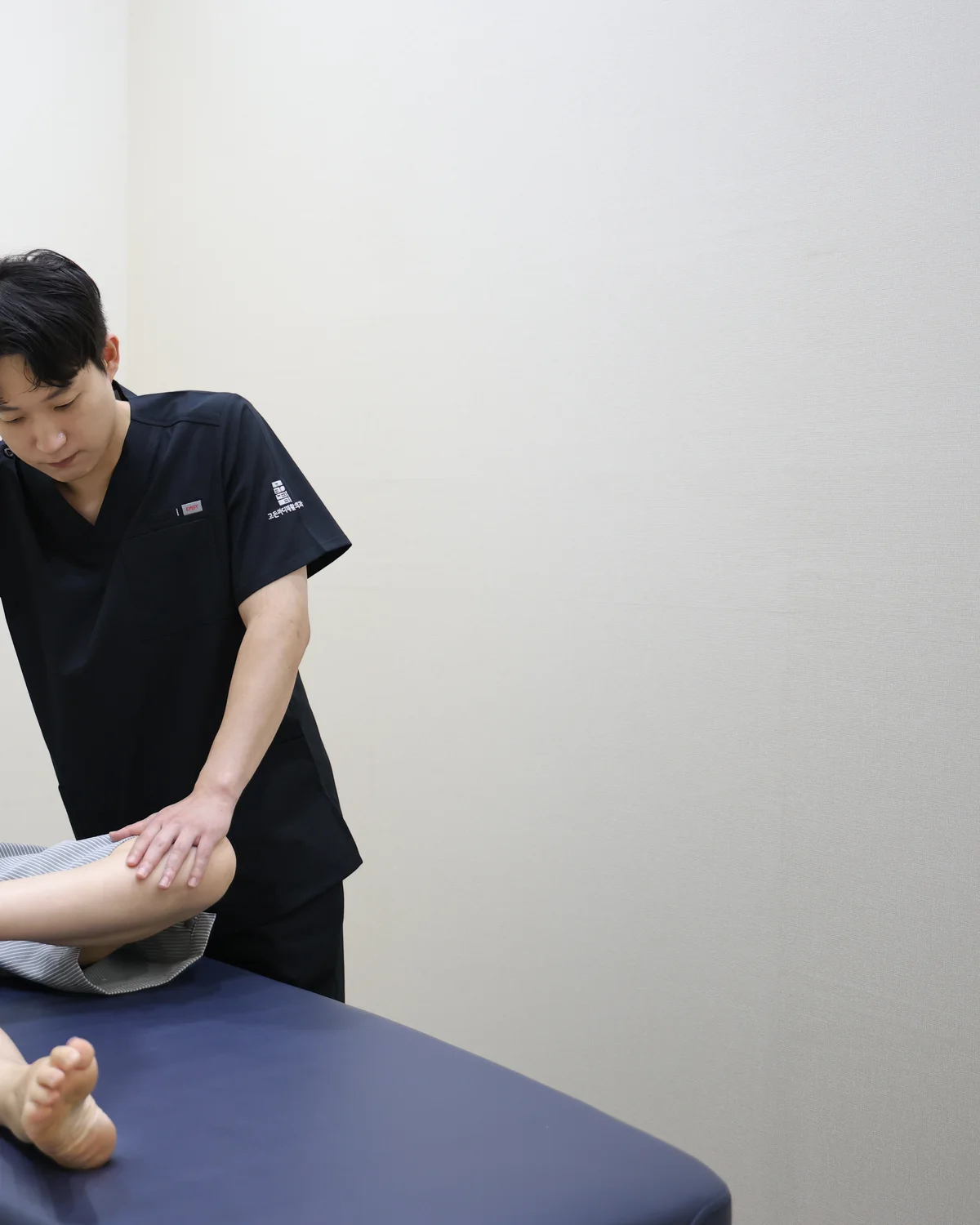
A trained manual therapist provides treatment, while the rehabilitation medicine specialist reviews the diagnosis, precautions, and overall direction.
Depending on the assessment, techniques may include joint mobilization, manual correction, myofascial release, and neural mobilization.
Chapter 01
Depending on the assessment, techniques may include joint mobilization, manual correction, myofascial release, and neural mobilization.
Techniques are selected for a defined purpose rather than applied identically to every patient.
The symptom history and initial assessment include Joint mobilization.
Chapter 02
Exercise may focus on mobility, control, strength, balance, endurance, or return to sport.
The program progresses according to symptoms and functional response.
The assessment includes Mobility when it helps answer the clinical question.
The physician interprets Strength and control with the history and physical examination.
Chapter 03
Rehabilitation may be considered for spine and joint pain, sports injuries, postoperative recovery, office-related problems, and selected scoliosis programs including Schroth-based exercise.
The discussion may include Sports rehabilitation after the findings and practical goals are reviewed.
The assessment determines whether Postoperative rehabilitation has a role in the next step.
Chapter 04
The team interprets Joint mobilization according to the purpose of the test or treatment.
The physician explains Manual correction with the clinical question it is meant to address.
The care plan connects Myofascial release with a defined next step.
The team interprets Neural mobilization according to the purpose of the test or treatment.
The physician explains Mobility with the clinical question it is meant to address.
The care plan connects Strength and control with a defined next step.
The team interprets Balance according to the purpose of the test or treatment.
The physician explains Return to sport with the clinical question it is meant to address.
Chapter 05
The care plan connects Sports rehabilitation with a defined next step.
The team interprets Postoperative rehabilitation according to the purpose of the test or treatment.
The physician explains Office-related problems with the clinical question it is meant to address.
The care plan connects Scoliosis rehabilitation with a defined next step.
Joint mobilization is connected with the history, movement, and current examination findings.
Manual correction helps explain which part of the assessment deserves closer attention.
Myofascial release is reviewed before a specific test or treatment option is selected.
Neural mobilization is explained in relation to function, recovery, and daily activity.
Chapter 06
Mobility is connected with the history, movement, and current examination findings.
Strength and control helps explain which part of the assessment deserves closer attention.
Balance is reviewed before a specific test or treatment option is selected.
Chapter 07
Return to sport is explained in relation to function, recovery, and daily activity.
Sports rehabilitation is connected with the history, movement, and current examination findings.
Postoperative rehabilitation helps explain which part of the assessment deserves closer attention.
Clear answers to common questions about assessment, testing, treatment options, and planning a visit.
Call +82-2-498-0888 to ask about the current schedule before you travel to the clinic.
The clinic is located at B1, Megabox Square, 50 Wangsimni-ro, Seongdong-gu, Seoul, Republic of Korea.
Bring any previous imaging, reports, medication lists, or medical records that may help explain your current symptoms.
The physician reviews when the problem began, examines movement and symptoms, and explains whether additional testing may be useful.
GORDONMADI · SEOUL FOREST
Review the clinic location, hours, and current contact information before your visit.
Visit options