
Heaviness after holding one posture
The physician reviews how long the posture is held and whether movement relieves the heaviness.

Neck & Shoulder Pain
Neck and shoulder pain may arise from the cervical spine, joints, muscles, tendons, or nearby nerves.
We examine the location, movement pattern, strength, and neurological signs before discussing testing or treatment.
01 · Symptoms
Examples include pain that worsens with neck extension or rotation, pain radiating from the neck, restricted shoulder movement, pain when lifting the arm, and weakness related to the rotator cuff.
Select a symptom card to highlight the related body area. Select it again or press Escape to clear the highlight.
The examination may include neck and shoulder range of motion, strength, sensation, reflexes, provocative movements, and ultrasound assessment of tendons or bursae.
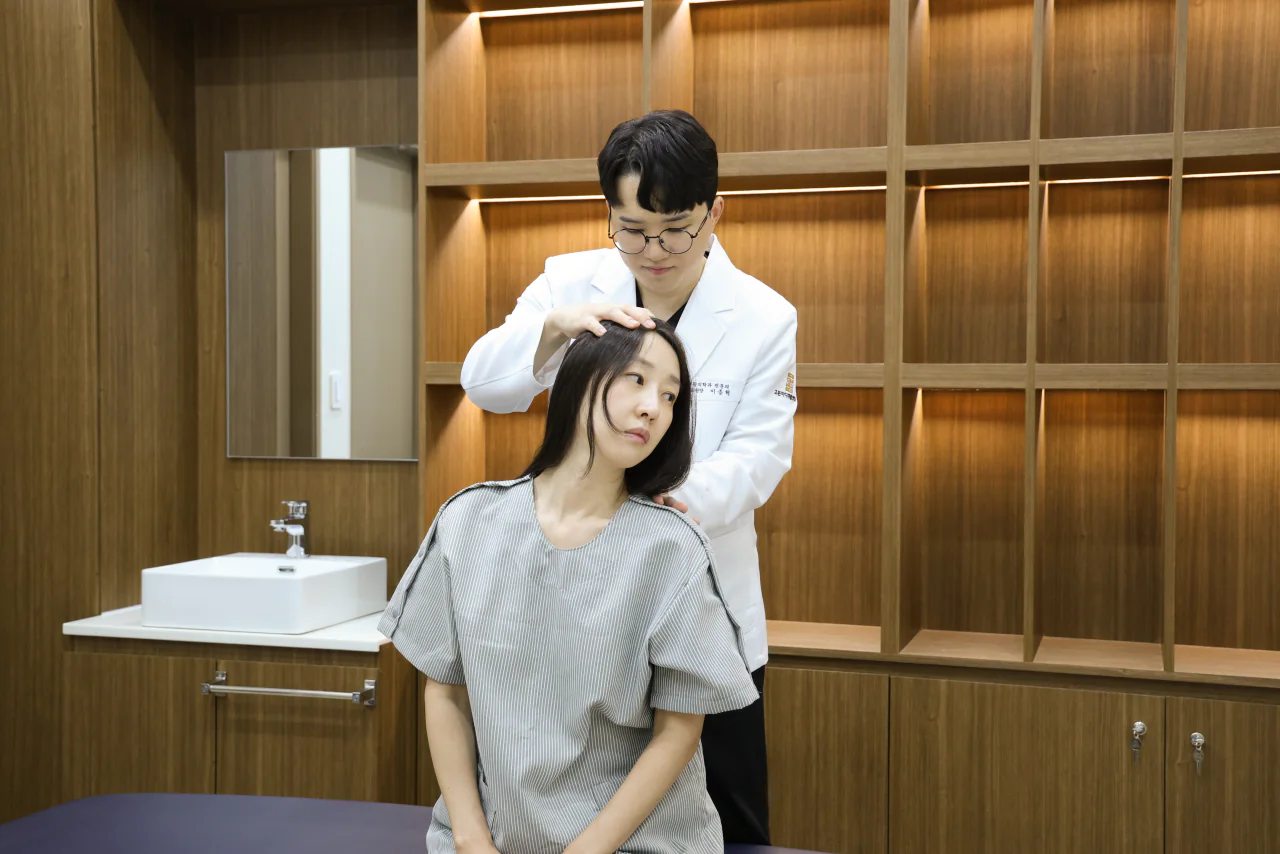
The assessment includes Movement when it helps answer the clinical question.
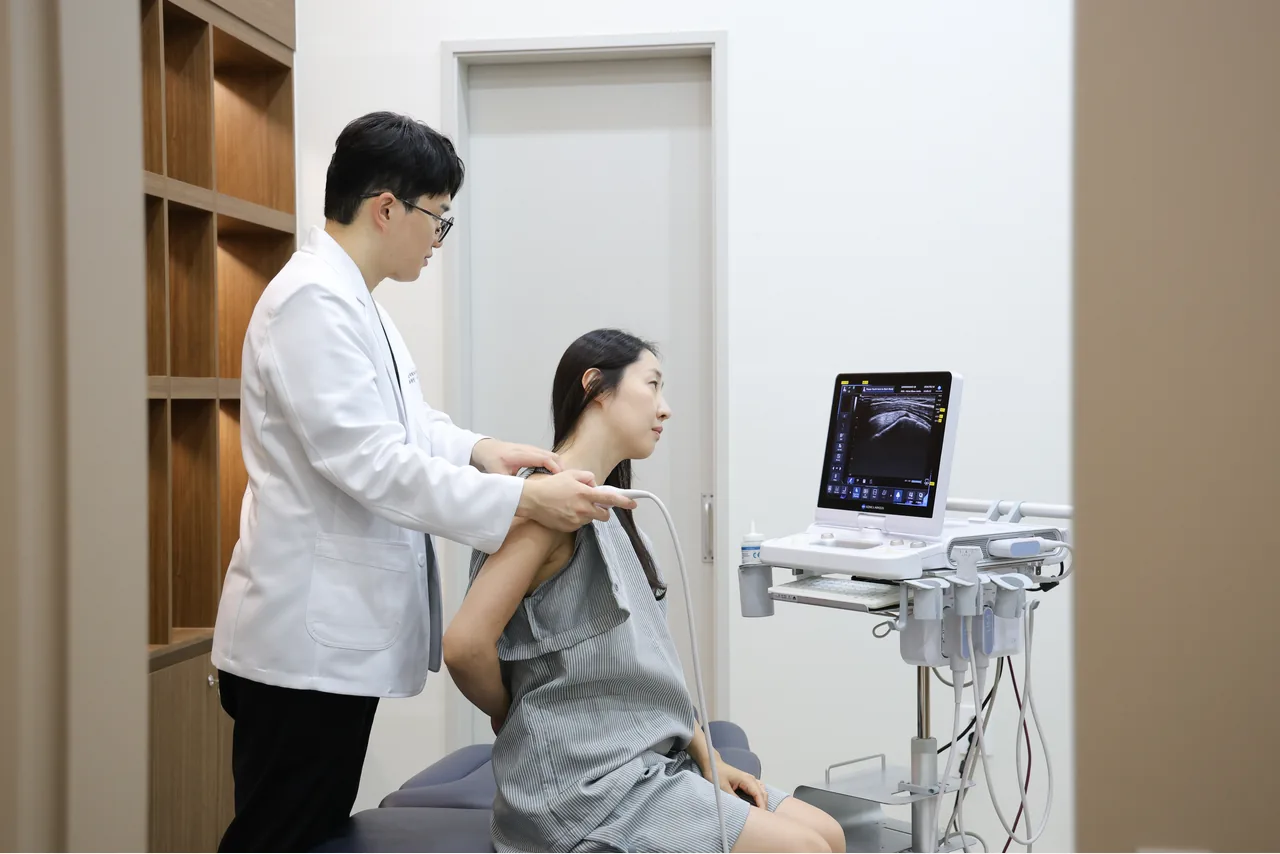
The physician interprets Strength and sensation with the history and physical examination.
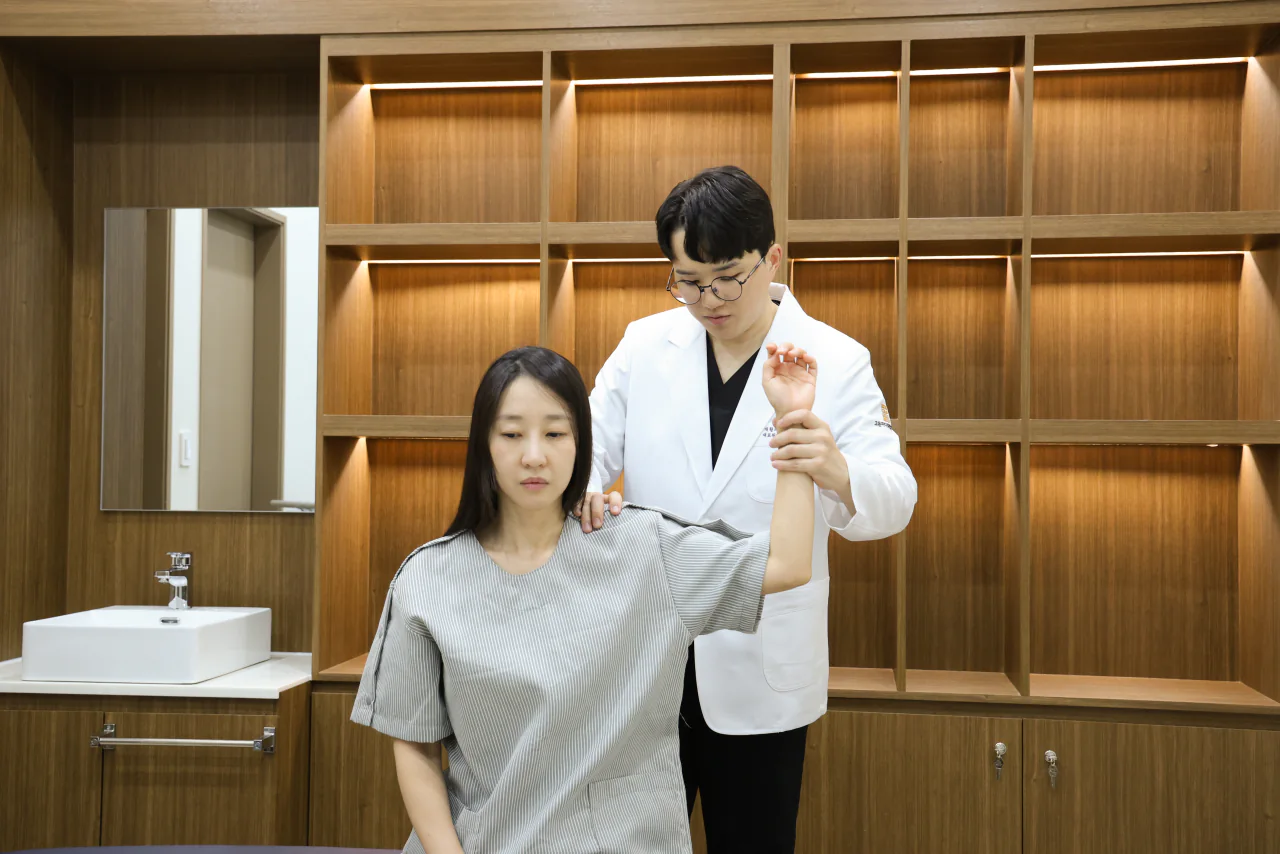
This step connects Ultrasound when relevant with the reported symptoms and examination findings.
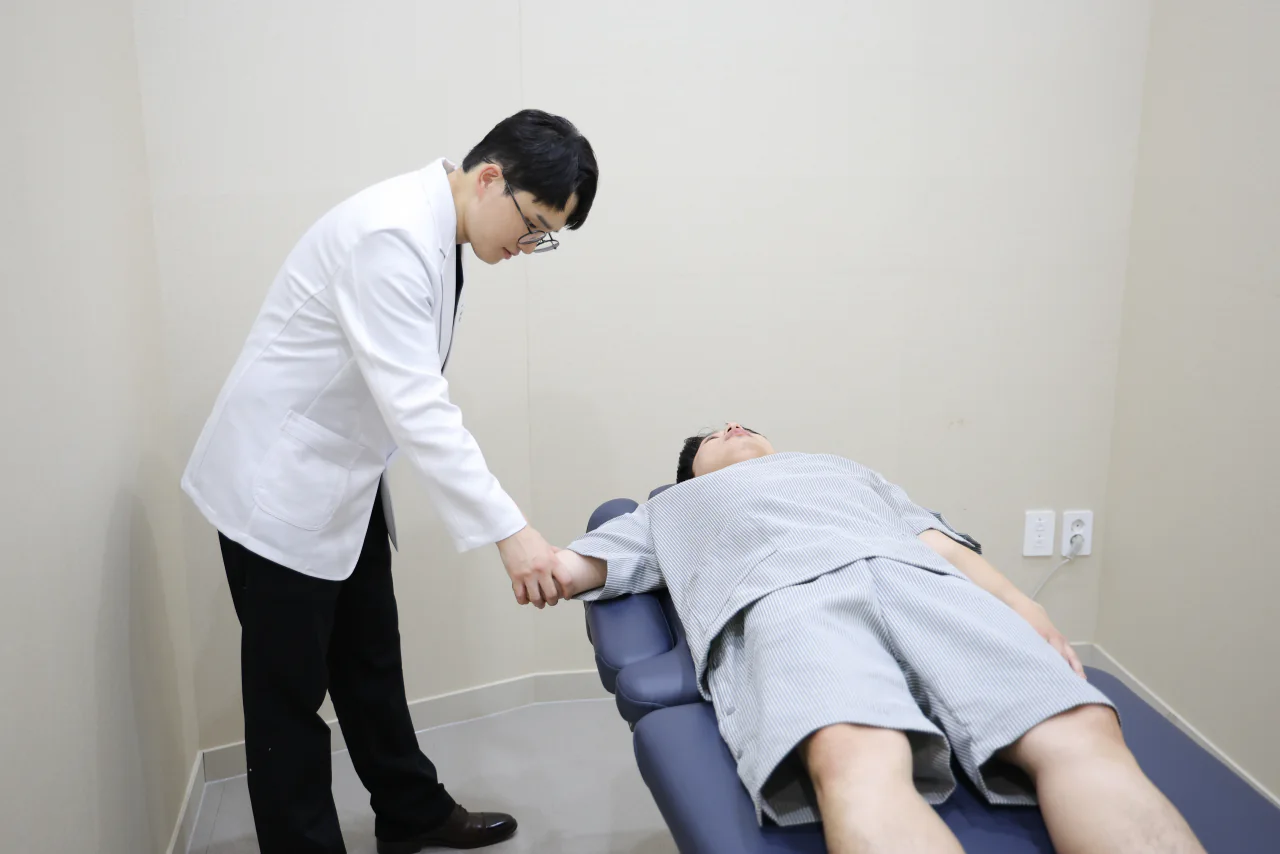
Movement: The relevant findings are explained together before the next step is selected.
02 · Care options
Depending on the findings, care may include medication, exercise guidance, rehabilitation, shockwave therapy, ultrasound-guided procedures, or C-arm-guided spine procedures.
The discussion may include Rehabilitation after the findings and practical goals are reviewed.
The assessment determines whether Ultrasound-guided procedures has a role in the next step.
The physician explains the purpose and limits of C-arm-guided procedures.
03 · Assessment
The physician reviews how long the posture is held and whether movement relieves the heaviness.
The direction and range of neck movement help place the pain pattern in context.
The distribution of numbness, neck position, strength, and sensation help guide the nerve examination.
The assessment also considers how “Numbness that travels into the arm or hand” changes with activity, rest, and daily function.
Active and passive shoulder movement are compared with strength and tenderness.
Sleep position, loss of motion, and pain during daily movement are reviewed together.
Neck and shoulder movement are examined to clarify whether the discomfort is local or referred.
04 · Assessment
The physician uses Cervical facet-related pain to distinguish one symptom pattern from another.
The review of Cervical disc and radiating symptoms adds context about movement, timing, and daily function.
The assessment uses Frozen shoulder to stay focused on the main concern.
The physician uses Rotator cuff problems to distinguish one symptom pattern from another.
The review of Movement adds context about movement, timing, and daily function.
The assessment uses Strength and sensation to stay focused on the main concern.
Clear answers to common questions about assessment, testing, treatment options, and planning a visit.
Call +82-2-498-0888 to ask about the current schedule before you travel to the clinic.
Calling ahead can help you check the current hours before leaving for the clinic.
The public phone number is shared by the Korean and English site surfaces.
The clinic is located at B1, Megabox Square, 50 Wangsimni-ro, Seongdong-gu, Seoul, Republic of Korea.
Use the full street address when entering the destination in a map application.
Gordonmadi is on Basement Level 1 of Megabox Square.
Bring any previous imaging, reports, medication lists, or medical records that may help explain your current symptoms.
Records are most useful when their dates and the reason for each study are clear.
The physician reviews when the problem began, examines movement and symptoms, and explains whether additional testing may be useful.
The order of the assessment can change according to the main concern.
Findings are explained before any additional test or treatment is discussed.
No. Testing is considered only when it may help answer a specific question raised by the history and physical examination.
A test is useful only when its result can clarify a decision or unanswered question.
The history and physical examination remain the starting point.
GORDONMADI · SEOUL FOREST
Review the clinic location, hours, and current contact information before your visit.
Visit options