
Pain that continues after an ankle or knee sprain
Swelling, stability, range of motion, and weight bearing are checked after the injury.

Injuries & Sports Injuries
A fall, twist, collision, sudden sprint, or repetitive load can affect bones, joints, ligaments, tendons, and muscles.
We examine the injury mechanism, tenderness, swelling, stability, and ability to move or bear weight.
01 · Symptoms
Common presentations include ankle and knee sprains, muscle strains, tendon injuries, contusions, overuse injuries, and possible fractures.
Select a symptom card to highlight the related body area. Select it again or press Escape to clear the highlight.
X-ray may be considered when a fracture is possible.
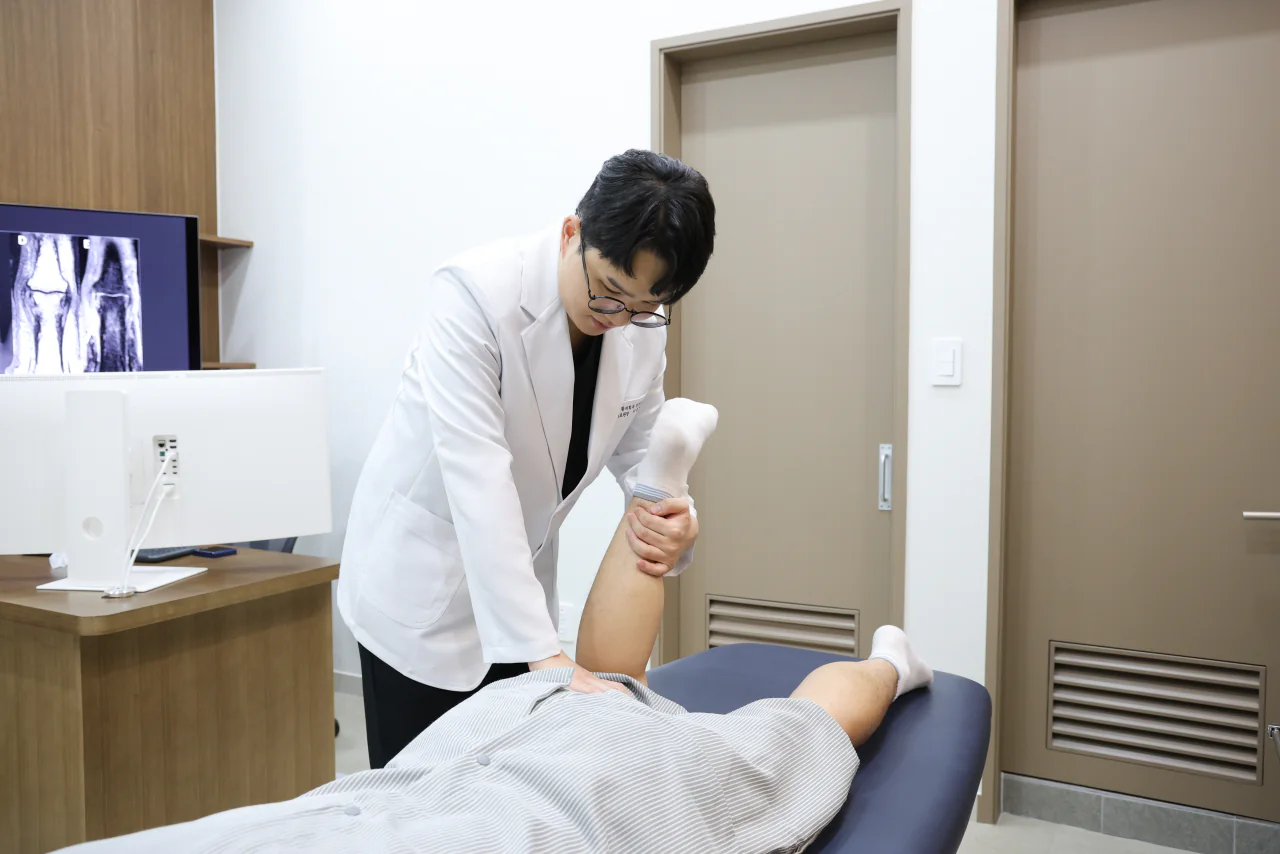
Ultrasound can help assess selected tendons, ligaments, muscles, and fluid collections.
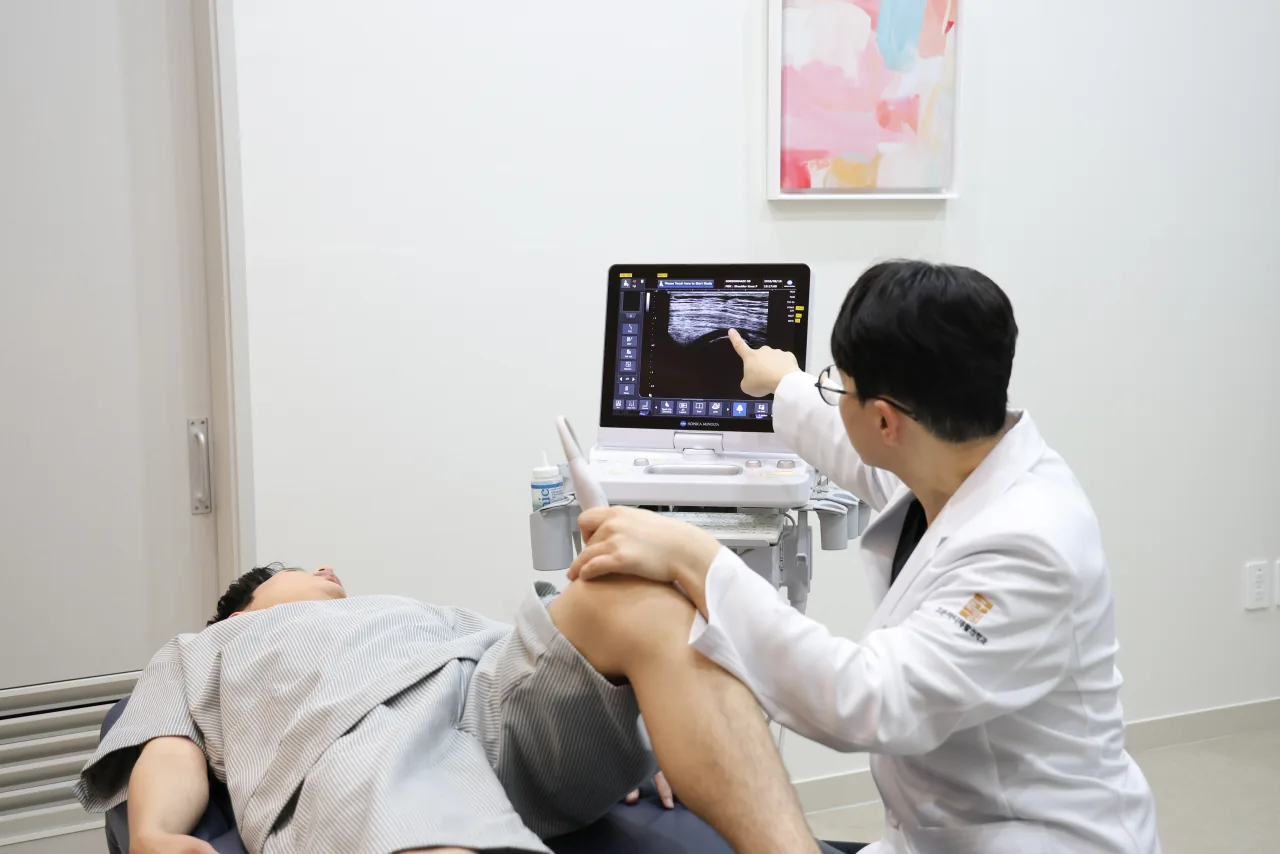
Some fractures are not obvious on an initial X-ray, so persistent focal pain may require reassessment.
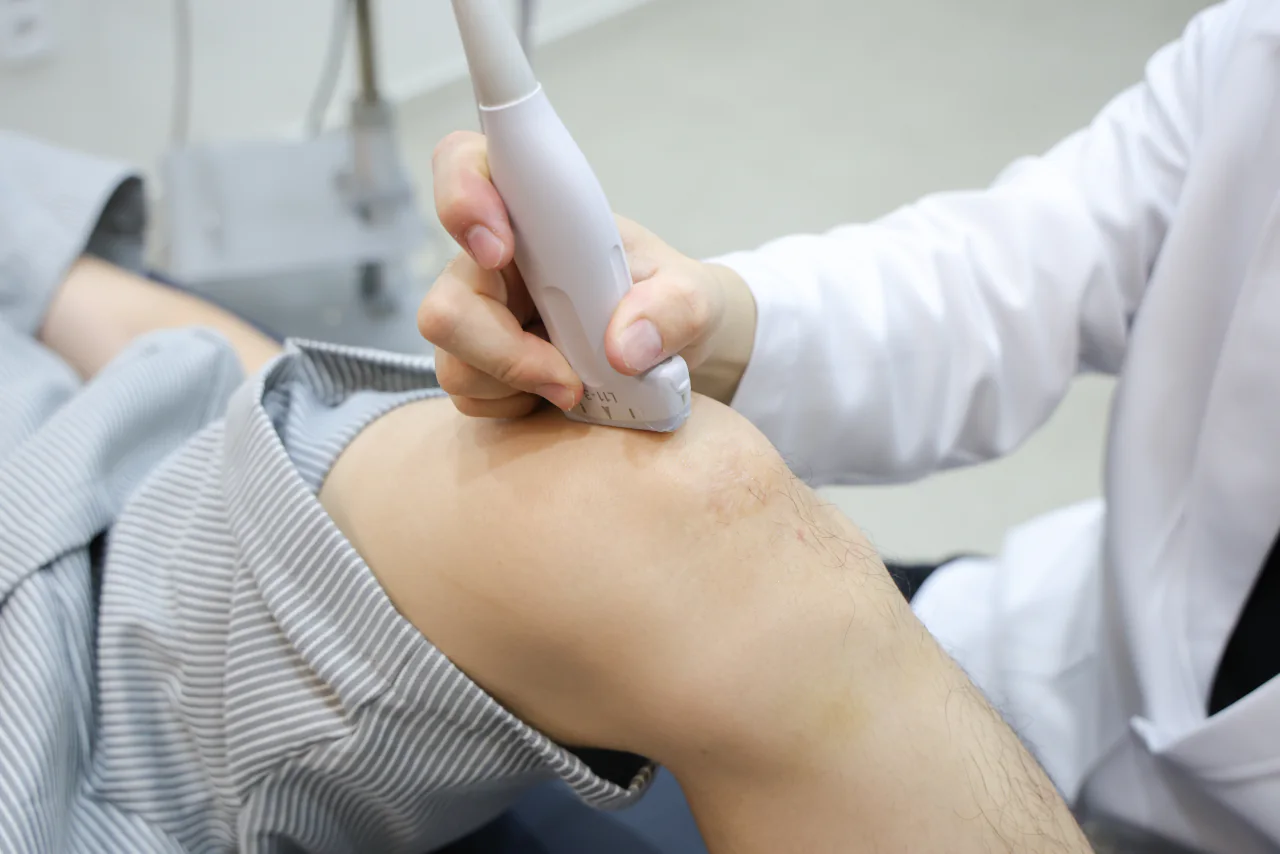
The assessment includes X-ray when it helps answer the clinical question.
02 · Care options
Care may involve protection, bracing or immobilization, medication, progressive exercise, rehabilitation, or another treatment based on the diagnosis and recovery stage.
Swelling, stability, range of motion, and weight bearing are checked after the injury.
The sport movement, training load, strength, and painful range help focus the examination.
Jumping and running load are reviewed with tendon, joint, and movement findings.
The location of the catching sensation and whether pain or swelling accompanies it are checked.
03 · Assessment
The physician uses Sprains to distinguish one symptom pattern from another.
The review of Muscle strains adds context about movement, timing, and daily function.
The assessment uses Tendon injuries to stay focused on the main concern.
The physician uses Possible fractures to distinguish one symptom pattern from another.
Call +82-2-498-0888 to ask about the current schedule before you travel to the clinic.
The clinic is located at B1, Megabox Square, 50 Wangsimni-ro, Seongdong-gu, Seoul, Republic of Korea.
Bring any previous imaging, reports, medication lists, or medical records that may help explain your current symptoms.
The physician reviews when the problem began, examines movement and symptoms, and explains whether additional testing may be useful.
No. Testing is considered only when it may help answer a specific question raised by the history and physical examination.
GORDONMADI · SEOUL FOREST
Review the clinic location, hours, and current contact information before your visit.
Visit options