
Numbness in the fingers
Which fingers are affected can help distinguish symptoms related to the wrist, elbow, or neck.

Numbness & Nerve Symptoms
Numbness can be related to the spine, a peripheral nerve, or another medical condition.
The distribution of symptoms, neurological examination, and sometimes EMG and nerve conduction studies help organize the possibilities.
01 · Symptoms
Evaluation may be useful when tingling persists, sensation changes, symptoms radiate along an arm or leg, grip weakens, or a foot feels difficult to lift.
Select a symptom card to highlight the related body area. Select it again or press Escape to clear the highlight.
The physician checks strength, sensation, reflexes, and symptom distribution.
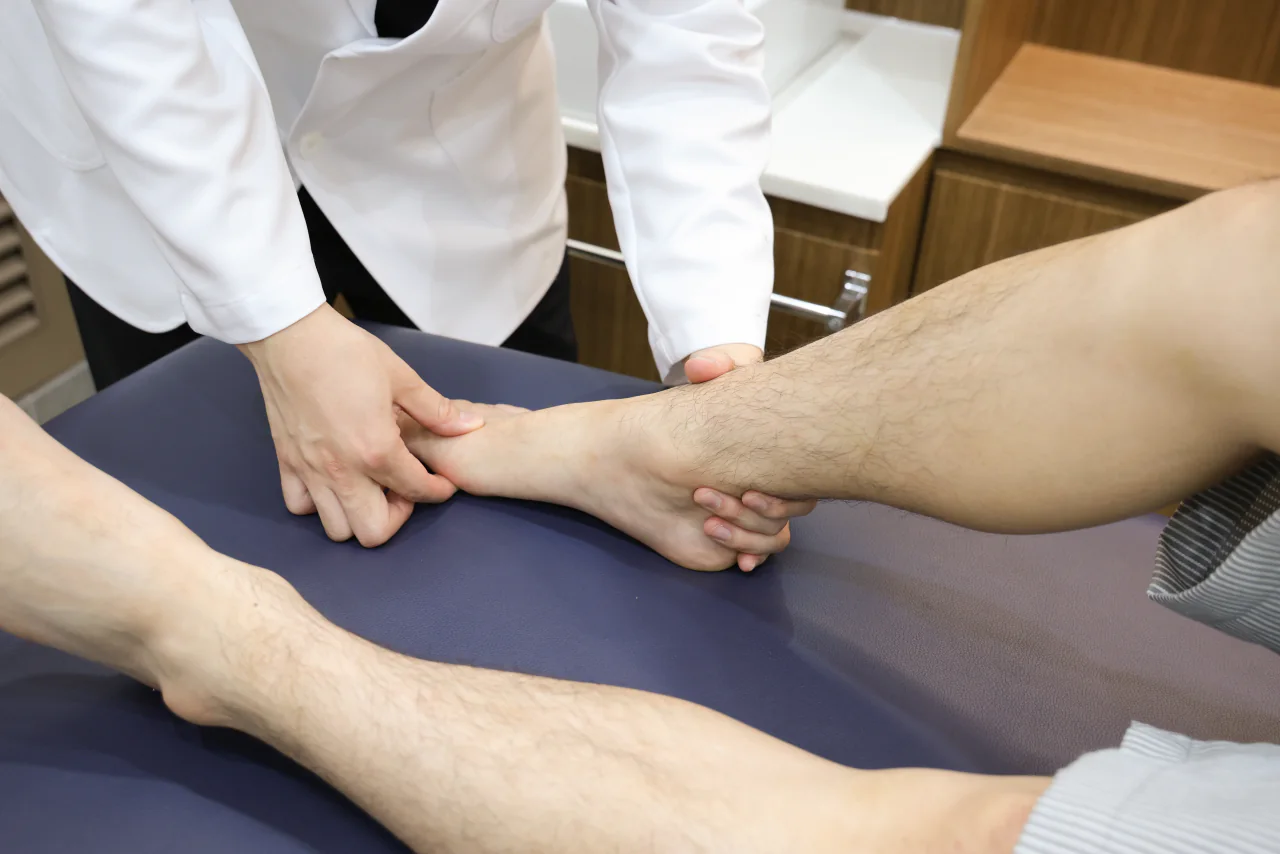
EMG and nerve conduction studies may be used to evaluate nerve and muscle function.
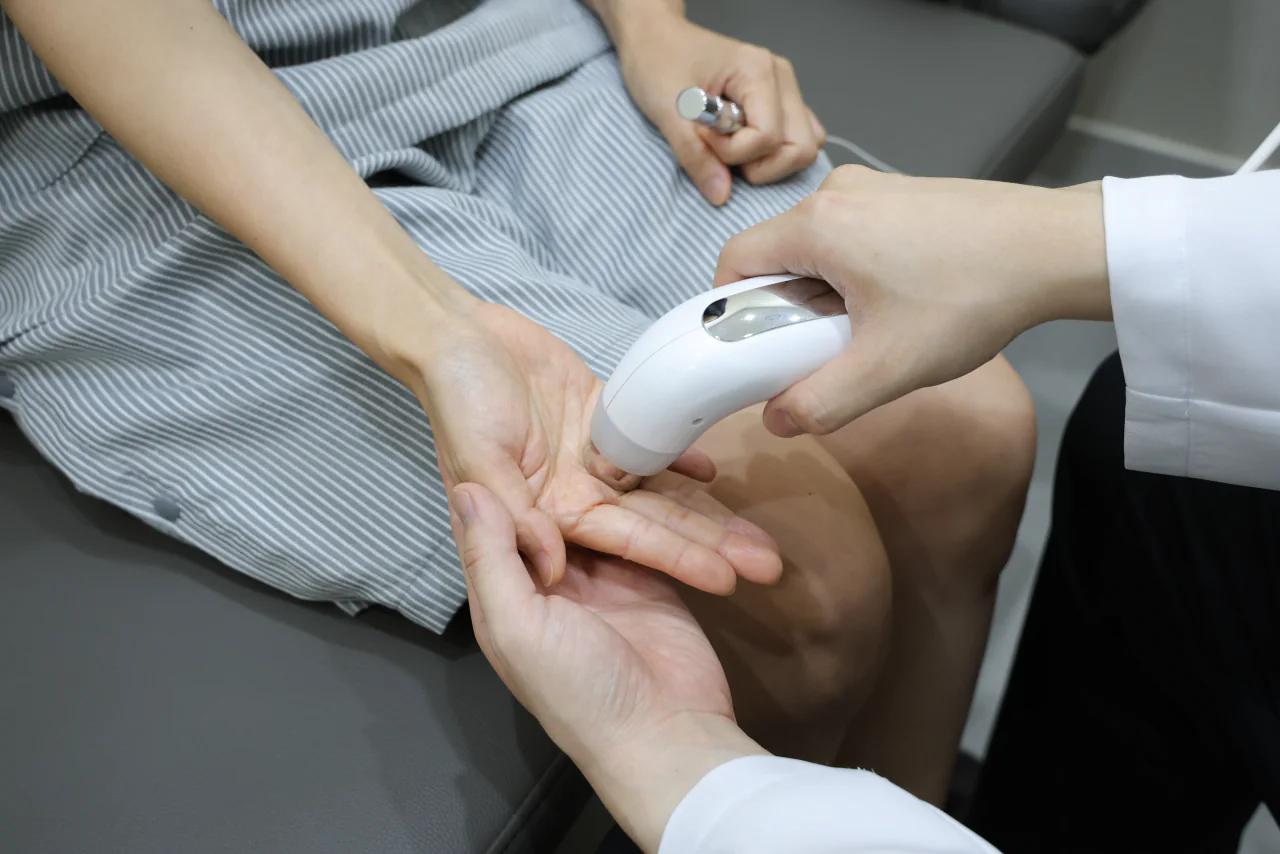
The assessment includes Neurological examination when it helps answer the clinical question.
02 · Assessment
An EMG result is not interpreted in isolation.
Which fingers are affected can help distinguish symptoms related to the wrist, elbow, or neck.
The direction of symptoms, neck movement, strength, and sensation are reviewed together.
Back movement, symptom distribution, strength, and reflexes help guide the nerve assessment.
The affected area, whether one or both feet are involved, and changes with position are compared.
A more detailed neurological examination may be useful when sensation and strength change together.
03 · Assessment
The physician uses Numbness and tingling to distinguish one symptom pattern from another.
The review of Sensory change adds context about movement, timing, and daily function.
The assessment uses Radiating pain to stay focused on the main concern.
The physician uses Weakness to distinguish one symptom pattern from another.
The review of Neurological examination adds context about movement, timing, and daily function.
The assessment uses Nerve conduction studies to stay focused on the main concern.
Call +82-2-498-0888 to ask about the current schedule before you travel to the clinic.
Calling ahead can help you check the current hours before leaving for the clinic.
The clinic is located at B1, Megabox Square, 50 Wangsimni-ro, Seongdong-gu, Seoul, Republic of Korea.
Use the full street address when entering the destination in a map application.
Bring any previous imaging, reports, medication lists, or medical records that may help explain your current symptoms.
Records are most useful when their dates and the reason for each study are clear.
A medication list can also help the physician understand the current context.
The physician reviews when the problem began, examines movement and symptoms, and explains whether additional testing may be useful.
The order of the assessment can change according to the main concern.
No. Testing is considered only when it may help answer a specific question raised by the history and physical examination.
A test is useful only when its result can clarify a decision or unanswered question.
GORDONMADI · SEOUL FOREST
Review the clinic location, hours, and current contact information before your visit.
Visit options