
Gordonmadi clinic — care hero wrist elbow sj2 0431

Hand, Wrist & Elbow Pain

Hand, wrist, and elbow pain often appears during everyday tasks

Gripping, typing, lifting, sports, and repetitive work can aggravate tendons, joints, ligaments, and nerves in the hand, wrist, and elbow.

The examination focuses on the movement and structure linked to the symptom.

01 · Symptoms

Problems we commonly assess

Examples include tennis elbow, golfer’s elbow, wrist tendon pain, ligament injuries, trigger finger, finger pain, and nerve-related tingling.

Select a symptom card to highlight the related body area. Select it again or press Escape to clear the highlight.

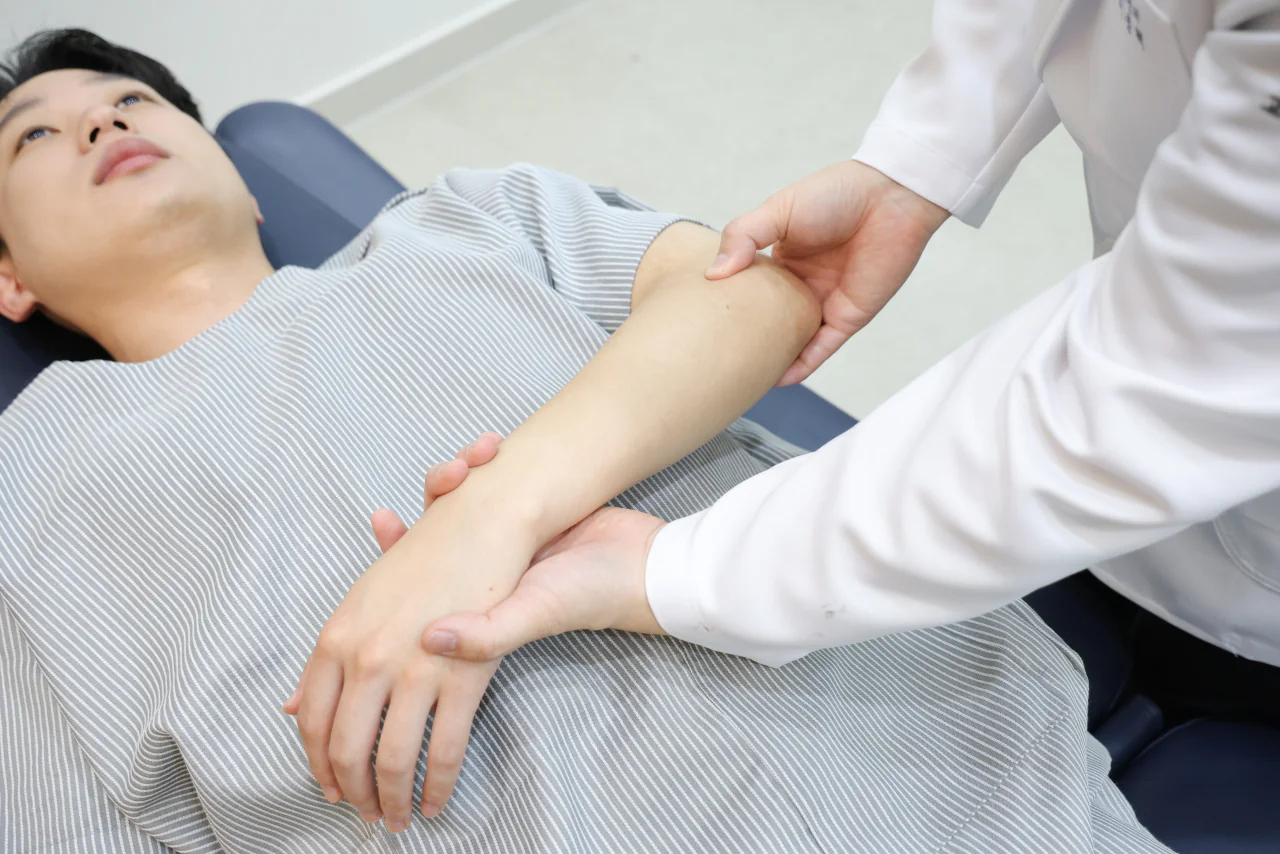
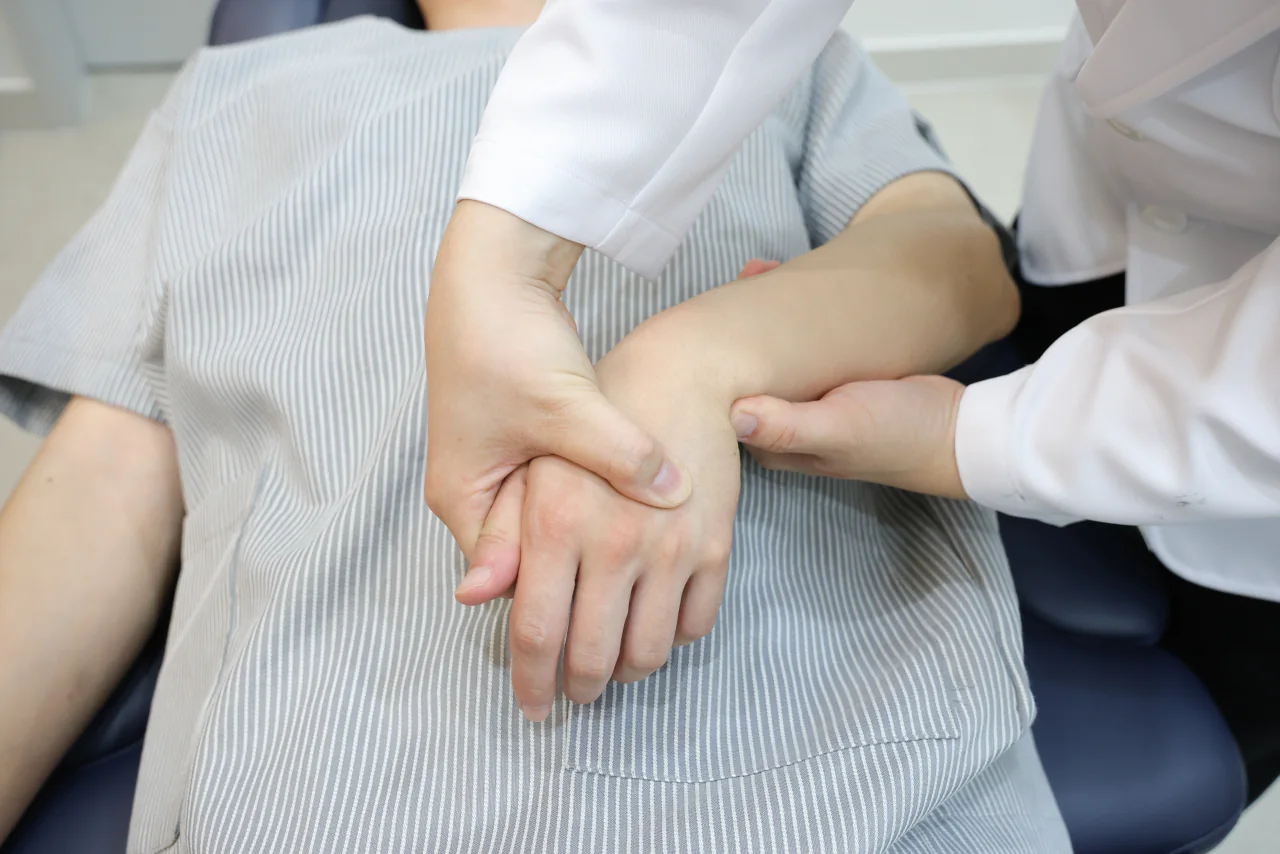
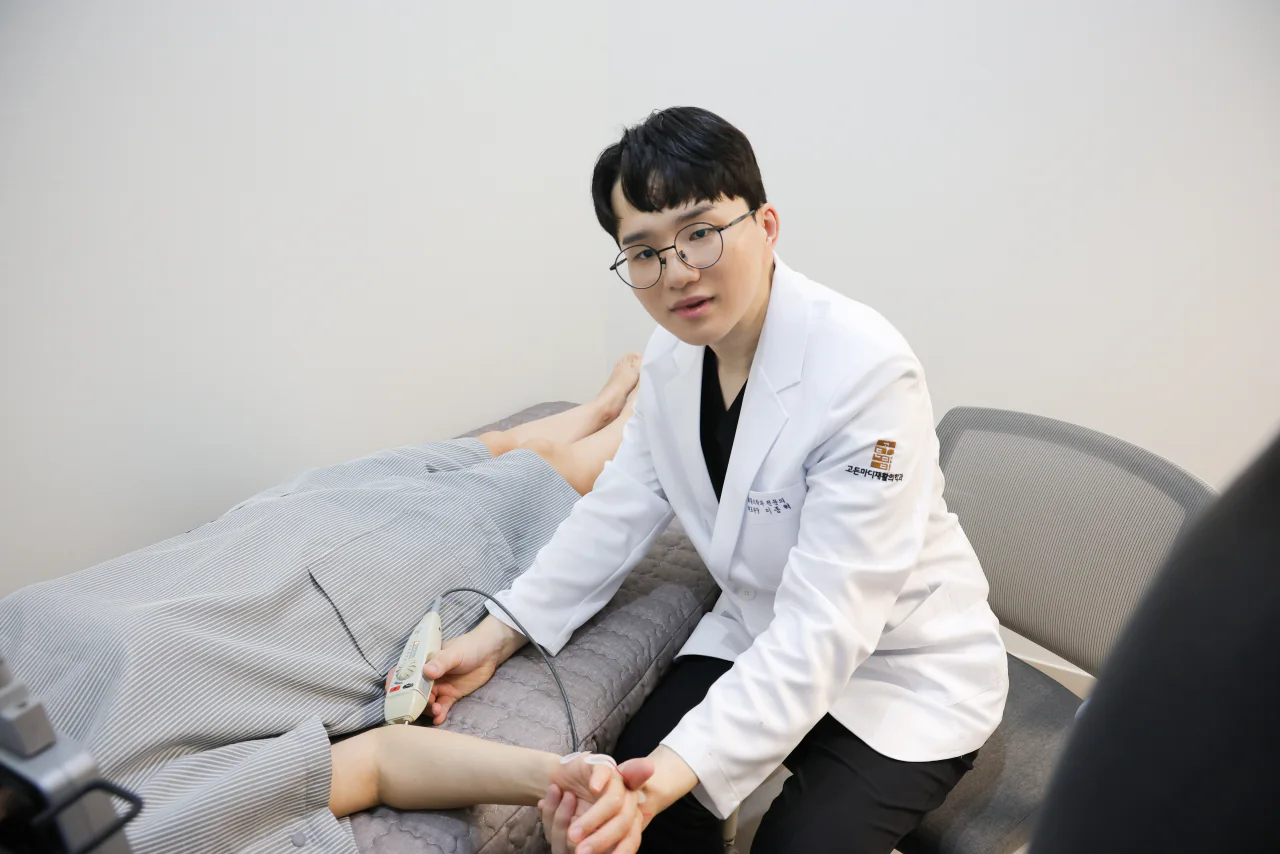
Focused examination and ultrasound

The physician checks tenderness, grip, resisted movements, joint stability, sensation, and tendon motion.

  1. Gordonmadi clinic — sj2 0164

    Ultrasound can visualize many superficial structures.

  2. Gordonmadi clinic — sj2 0167

    The assessment includes Grip and resisted movement when it helps answer the clinical question.

  3. Gordonmadi clinic — sj2 0220

    The physician interprets Tendon motion with the history and physical examination.

02 · Care options

Possible treatment approaches

Pain when bending or straightening a finger

Finger motion, tenderness, and any catching sensation are reviewed during active movement.

The assessment also considers how “Pain when bending or straightening a finger” changes with activity, rest, and daily function.

Wrist or finger discomfort after computer use

Grip, wrist position, and repeated hand use help identify which structures need closer attention.

The assessment also considers how “Wrist or finger discomfort after computer use” changes with activity, rest, and daily function.

Pain on the outside of the elbow

Resisted wrist and finger movement can help reproduce and localize outer-elbow pain.

The assessment also considers how “Pain on the outside of the elbow” changes with activity, rest, and daily function.

Pain on the inside of the elbow

Grip and resisted movement are compared with tenderness along the inner elbow.

The assessment also considers how “Pain on the inside of the elbow” changes with activity, rest, and daily function.

Wrist or finger pain after lifting and household tasks

Load, repetition, and wrist position are reviewed in the context of daily tasks.

The assessment also considers how “Wrist or finger pain after lifting and household tasks” changes with activity, rest, and daily function.

Pain that returns after sports or exercise

The specific sport movement, training volume, and recovery pattern help focus the examination.

The assessment also considers how “Pain that returns after sports or exercise” changes with activity, rest, and daily function.

03 · Assessment

Care options follow the assessment

The physician uses Tennis and golfer’s elbow to distinguish one symptom pattern from another.

The review of Wrist tendon pain adds context about movement, timing, and daily function.

  1. Joint stability

    The assessment uses Trigger finger to stay focused on the main concern.

    The physician uses Nerve symptoms to distinguish one symptom pattern from another.

  2. Ultrasound assessment

    The review of Grip and resisted movement adds context about movement, timing, and daily function.

    The assessment uses Tendon motion to stay focused on the main concern.

  3. Bracing

    The physician uses Joint stability to distinguish one symptom pattern from another.

    The review of Ultrasound assessment adds context about movement, timing, and daily function.

  4. Exercise

    The assessment uses Bracing to stay focused on the main concern.

    The physician uses Exercise to distinguish one symptom pattern from another.

Questions patients often ask

How can I contact the clinic before a visit?

Call +82-2-498-0888 to ask about the current schedule before you travel to the clinic.

Calling ahead can help you check the current hours before leaving for the clinic.

Where is Gordonmadi located?

The clinic is located at B1, Megabox Square, 50 Wangsimni-ro, Seongdong-gu, Seoul, Republic of Korea.

Use the full street address when entering the destination in a map application.

Gordonmadi is on Basement Level 1 of Megabox Square.

What should I bring to the consultation?

Bring any previous imaging, reports, medication lists, or medical records that may help explain your current symptoms.

Records are most useful when their dates and the reason for each study are clear.

What happens during the initial assessment?

The physician reviews when the problem began, examines movement and symptoms, and explains whether additional testing may be useful.

The order of the assessment can change according to the main concern.

Is testing always required?

No. Testing is considered only when it may help answer a specific question raised by the history and physical examination.

A test is useful only when its result can clarify a decision or unanswered question.